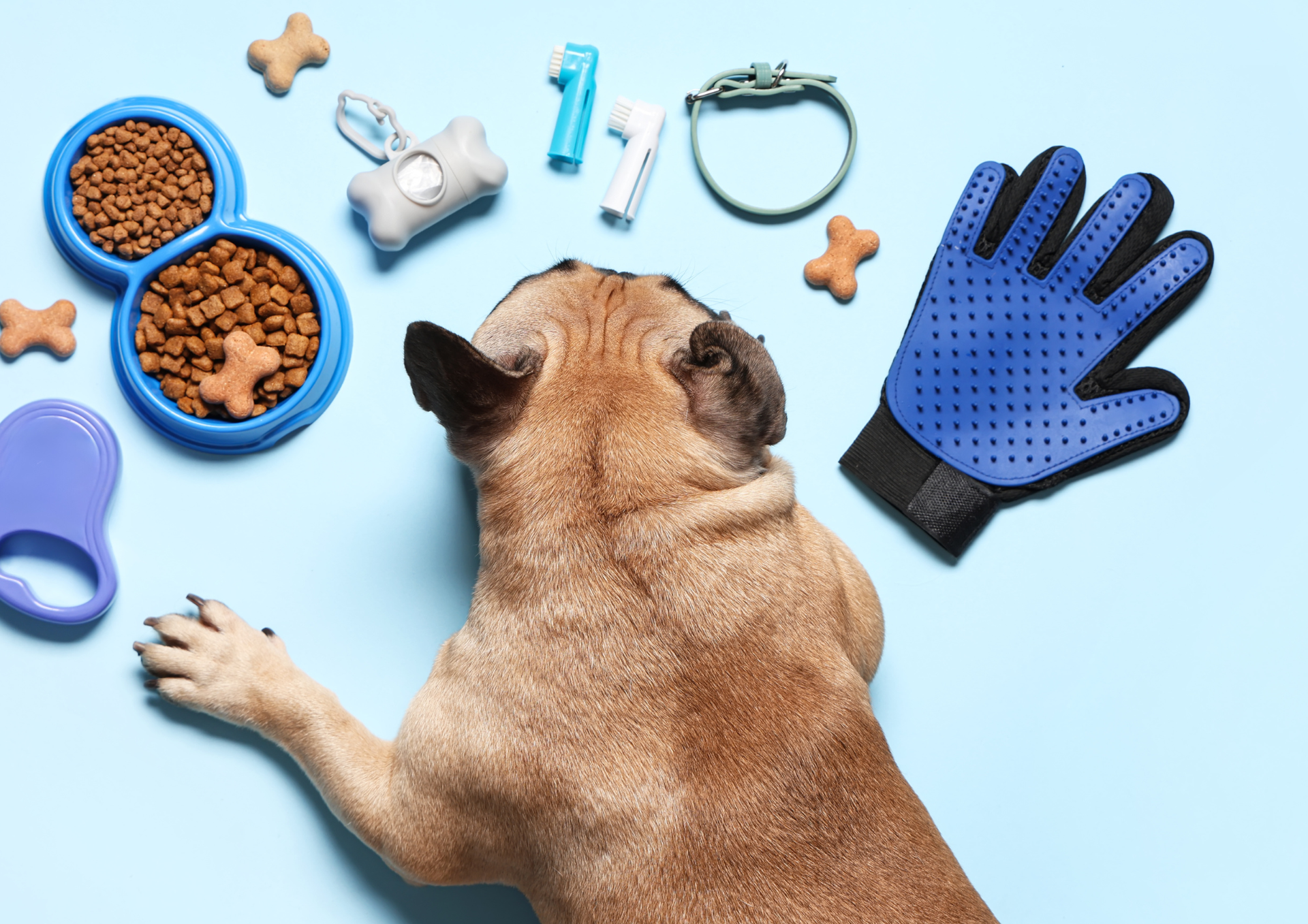
I haven't published anything about a dog website I've been running for the last 6 months or so. It's been one part experiment, one part creative outlet. I've had the opportunity to interview many experts across veterinary spaces, shelters, training facilities, and more. I've also built relationships with many brands in the pet space. I've learned a lot. Content marketing for pet brands is an entire beast. The potential audience is huge. It's a saturated space and people care vastly about their pets. That's why pet content marketing should always center around building trust first. In many ways, content marketing for pet brands is similar to the other work I've done as a freelance wellness and cannabis writer. All of these categories require providing educational content that can help provide potential customers with actionable information that may eventually push them toward making a purchase. This style of content marketing is not centered on pushing readers to make an immediate purchase; it's about building trust and authority so when they're ready to purchase, they think of you. Why trust is key to success for pet brand content marketing Think about how many times you've Googled something about your pet. “Why does my dog have dry skin? How can I improve my cat’s joint pain? What’s the best way to clip my anxious dog’s nails?” You're not searching for those things because you want to be sold to. You're searching them because you want real expert-backed answers that help you solve your problem. Every question a pet owner has can potentially become a driving force bringing caring pet owners to your website. But if your website’s blog and educational contents are non-existent, not well-written, or obviously just trying to push products, you’re going to drive potential customers away. On the other hand, if a loving pet owner finds your content useful, they’ll remember you – especially when your content links to other useful resources on your website. Suddenly, your brand is a resource for potential customers, not just another brand trying to sell. And that’s how you build trust. Pet owners view their pets as family. Their decision-making process is thorough, because they want to invest in what’s best for their pet. They’re often willing to spend more money if they know a product is going to actually help their beloved pet. Without educational content, how will they know or trust that your brand will do the trick? How to create a pet brand content strategy that works Think about your audience. What problem does your brand solve for them? As an example, let's say that you are selling joint supplements for senior dogs. Come up with a list of questions that potential customers might search if they're looking to solve joint pain in their beloved pet. In this example, they’re probably searching things like: Why is my dog so stiff? How do I help my dog’s joint pain? What causes joint pain in dogs? What helps joint pain in dogs? Glucosamine vs. fish oil for dog pain And the list goes on and on and on and on. Use these questions as an anchor point to begin your content strategy. Think like your customer and build out content that answers questions that will genuinely lead to your customers considering buying a joint supplement for their dog. With just a few questions, you can build out dozens of high-intent articles. But that's just the first step. Now you need to actually produce content that is worth reading. The internet is jam-packed with pet content so you need to create unique, valuable, and research-backed content that stands out from the rest. You also have to be careful about any claims you make because supplements are subject to various restrictions about their effects. Avoid AI for pet brand content marketing While using AI to produce blogs based on questions you come up with may sound like a good idea for pet content marketing, let me advise you against it. As I just mentioned, your blogs and other content need to be unique and stand out from the others on the internet. Using AI to write pet brand content is just going to pull from other pet brand content to create a new piece without anything actually new or valuable added to it. Search engines have a major preference toward experience and expertise, two things AI can’t recreate. Use this to your advantage. Weave in personal experience alongside research papers and reputable sources. Create something new and beneficial that will outrank other articles on the same subject because it adds more than generic content. (Sidenote: I know considering AI in your content marketing is important. That’s why I structure blogs clearly to make them easy to capture in AI overviews .) Why pet content marketing is similar to wellness marketing I've been a freelance writer for nearly a decade. I've written so many cannabis content marketing pieces for brands and publications. I've also written many wellness marketing pieces for supplement brands, ketamine therapy clinics, and other wellness-oriented services. Can you guess what they all have in common? They require building trust. People care about what they put in their bodies. That's why educational content marketing for wellness brands is so crucial. People treat their pets in the same way. What they put in their pet's body matters, and they want to make sure that they have done their due diligence to find the right product for their pet’s needs. Many pet brands win over customers simply because they have a blog about a topic when another brand with a better product had no content marketing at all. Because why would a customer buy from a company that doesn't showcase its expertise? Looking to hire a content writer for your pet brand? My experience in content marketing over the last decade, paired with my deep knowledge of writing for highly regulated industries has made me a wonderful option to write content for pet brands. Whether you need blogs comparing different ingredients, lifestyle pieces about how to spend time with your pet, or storytelling that highlights the emotional impacts your brand has created, I have you covered. Let’s talk about your pet brand content marketing needs today.

Do wellness brands need human writers in the age of AI? The answer is yes, because human writers can optimize for Google's E-E-A-T preferences and remain compliant.

Storytelling is a key part of marketing strategies for many successful companies. Here's how you can turn your brand story into a marketing asset for growth.

Wellness brand founders should post on LinkedIn for authority and recognition in the space.Here’s how to find LinkedIn ghostwriters for your wellness brand

As a wellness writer in highly regulated spaces, I’ve seen many telehealth SEO mistakes. I’m sharing them with you so your brand can avoid the same ones.

Wondering how health and wellness brands can capture AI overviews? I take you through the best practices to get it done.

To find freelance health and wellness writers for your brand, search for industry-specific keywords, check out LinkedIn profiles, and consider freelance boards.

Wondering if your dispensary still needs a blog in 2026? The answer is yes, if you want to see increased traffic and sales. Here's why.

Looking for more website traffic? Here’s what to know about SEO for wellness clinics to get the most out of your marketing strategy and drive real results.

Wondering why your AI content isn’t ranking in regulated industries? It’s probably because you’re not reaching Google’s signals of trust. Here's how to do it right.